Diploma in Zoonotic Diseases in the Americas.
Second Edition

Advanced training with a Global Health and One Health focus

A specialized program that integrates clinical, epidemiological and environmental perspectives to understand and address zoonotic diseases in an interconnected world.

Icon

Start date

August 25, 2026

Icon

Duration

120 hours

Icon

Format

Asynchronous classes + weekly live discussions.
Enroll now
Endorsed by:
In collaboration with:

Why this diploma course?

Zoonotic diseases are a growing public health challenge in the Americas, given their impact on humans, animals and ecosystems. Globalization, changes in land use, rapid urbanization and climate change have favored the emergence and re-emergence of these diseases, increasing their complexity and reach.

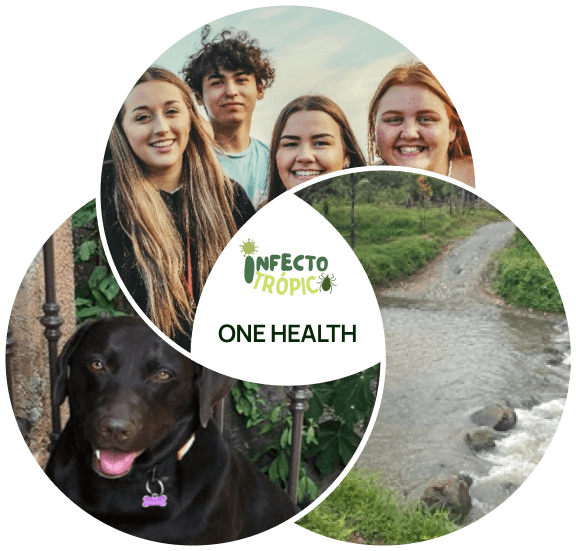
  • Comprehensive One Health approach: Connecting human, animal and environmental health.
  • Evidence-based: Content updated with the latest research.
  • International faculty: Experts from Panama, the United States, Colombia, Venezuela and Ecuador.
  • Clinical, epidemiological and environmental components: A multidisciplinary view.
  • 120 hours designed to strengthen regional capacity in prevention, diagnosis and management.
One Health concept

Who is it for?

This program is designed for professionals from a range of health fields.

Icon

Physicians

General and specialized medicine.

Icon

Veterinarians

Animal health and zoonoses.

Icon

Biologists

Scientific research.

Icon

Nursing and Public Health

Epidemiology and prevention.

Objectives

General Objective

To train health professionals in a comprehensive understanding of zoonotic diseases in the Americas, applying the One Health approach to the prevention, diagnosis and control of these diseases in the context of global health, thereby strengthening the capacity to respond to emerging and re-emerging health threats

Specific Objectives

  • Analyze the ecological, environmental and social factors that influence the emergence and re-emergence of zoonotic diseases.
  • Develop skills for the differential diagnosis and clinical management of the main zoonoses in the Americas.
  • Apply epidemiological tools for the surveillance and control of zoonotic diseases.
  • Understand the role of the human–animal–environment interface in pathogen transmission.
  • Promote prevention and control strategies based on intersectoral collaboration.
  • Foster academic and professional networks that support multidisciplinary collaboration in the management of zoonoses and emerging diseases in the Americas.

Diploma Course Curriculum

Presentation of the academic program, assessments, schedule, course structure and general guidelines.
Introduction to the concept of zoonosis and its importance for public health. The concept of zoonotic diseases. Global Health and the social determinants of health. Introduction to and evolution of the One Health approach: human–animal–environment integration. Surveillance and early warning systems.
Roboviruses: New World arenaviruses, hantavirus syndrome. Arboviruses: dengue and yellow fever. Epidemiology, clinical features, reservoirs and potential for human-to-human transmission.
Flaviviruses (Zika), alphaviruses (chikungunya, Mayaro, equine encephalitis), orthobunyaviruses (Oropouche, Waroa, Punta Toro). Epidemiological dynamics, clinical features, diagnosis and use of traps for vector collection.
Human and zoonotic rabies. Characteristics of the virus, transmission routes, clinical manifestations and prevention strategies, including vaccination.
Coronaviruses (SARS, MERS, COVID-19), avian and swine influenza, mpox and herpes B virus. Public health impact, transmission mechanisms and key clinical considerations.
Epidemiology, pathogenesis, clinical findings and diagnosis. Oral and congenital Chagas disease. Vectors, reservoirs and the immune response in the disease.
Epidemiology, pathology, clinical manifestations, diagnosis and treatment options for the cutaneous and visceral forms.
Gnathostoma, sparganosis, Angiostrongylus and Dirofilaria. Clinical importance, transmission cycles and diagnosis.
Fasciola hepatica, Echinococcus, taeniasis, Trichinella, toxoplasmosis and larva migrans. Clinical, epidemiological and diagnostic review.
Ticks: ehrlichiosis, rickettsiosis, anaplasmosis.
Diptera: Dermatobia, Cochliomyia and Cordylobia.
Differential diagnosis and clinical approach.
Brucellosis, leptospirosis, bartonellosis, salmonellosis, tularemia, Q fever and anthrax. Diagnosis, prevention and clinical strategies.
Human and zoonotic leprosy. Bovine tuberculosis (M. bovis). Implications for human and animal health, diagnosis and management.
Histoplasmosis, cryptococcosis, lobomycosis and sporotrichosis. Epidemiology, clinical features, diagnosis and treatment options.
The impact of vaccination. Vaccines for travelers. Vaccines relevant to tropical and zoonotic diseases. Development of new vaccines.
Climate as a determining factor in vector dynamics, geographic shifts in vector distribution and the re-emergence of diseases.

Methodology

Icon

Asynchronous classes + weekly live discussions.
On-demand video lessons on the Infectotrópico Academy platform. Live Zoom sessions with expert faculty for discussion and questions.

Icon

Online academy

Our e-learning platform, Infectotrópico Academy, with multimedia resources, supplementary reading and study materials available 24/7.

Icon

Practical work

case analysis and discussion integrating theoretical and practical knowledge.

Faculty

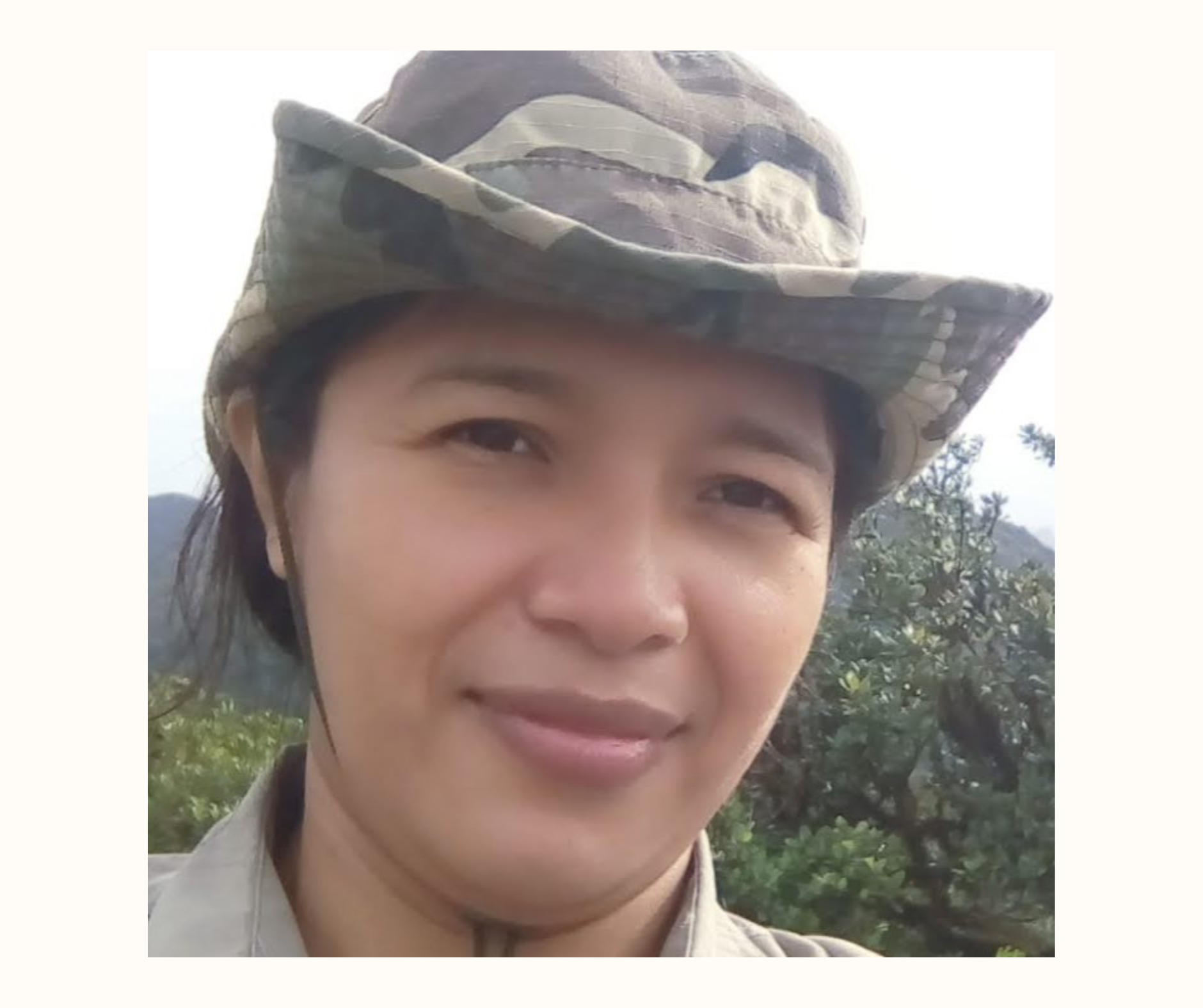
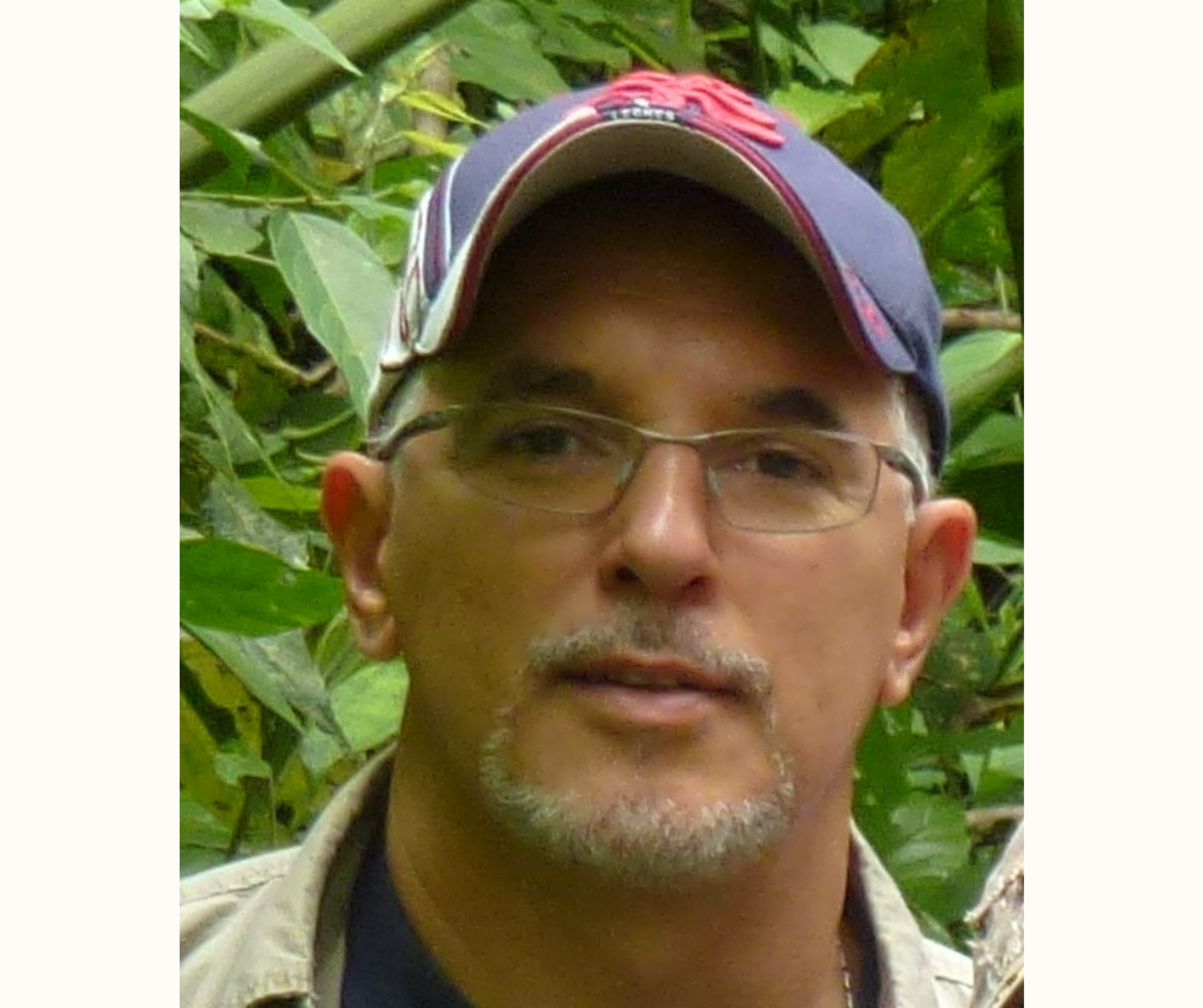
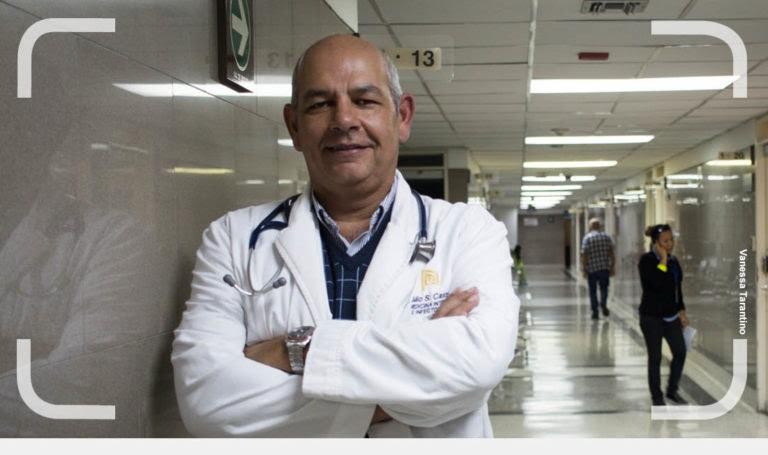
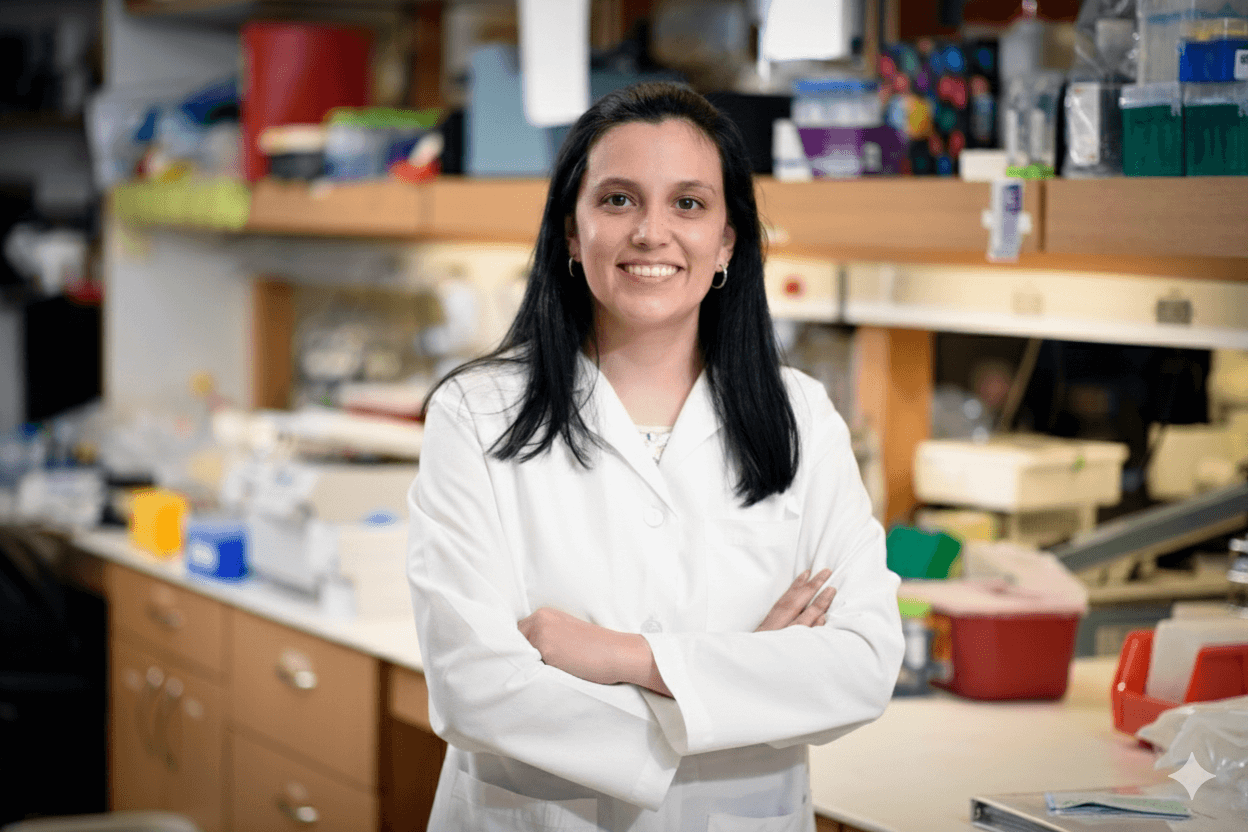
Faculty from Panama, the United States, Colombia, Venezuela and Ecuador.

José Antonio SuárezTropical infectious disease physicianInfectotrópico Panama
Laura NaranjoTropical infectious disease physicianInfectotrópico Panama
Mónica PacharTropical infectious disease physicianInfectotrópico / Hospital Santo Tomás, Panama
José Anel GonzálezTropical infectious disease physicianInfectotrópico / Hospital Irma de Lourdes Tzanetatos, Panama
Yamilka DíazBiologist - VirologistInfectotrópico / Gorgas Memorial Institute, Panama
Azael SaldañaBiologist - ParasitologistGorgas Memorial Institute, Panama
José CalzadaVeterinarian - ParasitologistGorgas Memorial Institute, Panama
Mileyka SantosBiologistGorgas Memorial Institute, Panama
Enrique SamudioVeterinarian - Animal ScientistInternational Atomic Energy Agency, Panama
Juan Carlos NavarroBiologist - VirologistUniversidad Internacional SEK, Ecuador
Julian RuizVeterinarian - VirologistUniversidad Cooperativa de Colombia
Alfonso RodríguezTropical medicine physicianUniversidad de Las Américas, Colombia
Julio CastroTropical infectious disease physicianInstitute of Tropical Medicine, Venezuela
Alberto Paniz-MondolfiPhysician Microbiologist - PathologistInfectotrópico / Mount Sinai Hospital, USA
Nestor SosaInfectious disease physicianNew Mexico Hospital, USA
Laila Woc-ColburnInfectious disease physicianEmory University School of Medicine, USA
Cristina PovedaMicrobiologist - ParasitologistBaylor College of Medicine
Jill WatherheadTropical infectious disease physicianBaylor College of Medicine
Eva ClarkTropical infectious disease physicianBaylor College of Medicine
Janitzio GuzmánTropical infectious disease physicianBaylor College of Medicine

Certification

Icon

Official Certificate

On successfully completing the diploma course, you will receive a certificate endorsed by the University of Panama and several Latin American Scientific Societies, accrediting 120 hours of specialized training in zoonotic diseases and One Health.

Requirement: complete all modules and pass the assessments according to the established academic criteria.

Diploma Course Cost

Take advantage of the launch price and secure your spot in the program.

Launch offerUntil August 15, 2026
Launch offer$570 USDUntil August 15, 2026
Regular price$750 USD
Payment plans available
Up to 4 monthly installments

Enroll now

Admission Profile

  • A bachelor's degree in human or animal health sciences or environmental health, or students with prior knowledge of microbiology, parasitology and subjects related to infectious diseases

Academic Policies

  • Minimum attendance of 80% of the live sessions.
  • Minimum passing grade: 80%

Conditions

  • All content, including the texts, graphics, images and designs presented in this diploma course, is protected by copyright and other applicable intellectual property laws.
  • No material may be reproduced, distributed, transmitted or used in any form without the prior written permission of Infectotrópico SA. All material received during the course is for personal study use only.
  • Students are expected to preserve the academic integrity of the online courses and to keep course materials confidential, including assessments taken during the course and/or outside the classroom environment.
  • Respect the privacy of other students enrolled in the course, including not sharing personal information disclosed by another student outside the virtual classroom, discussion, forum or assessment environment.

Ready to enroll in the diploma course?

Join the next generation of professionals trained in the One Health approach to face the challenges of zoonotic diseases.

Enroll now

Limited spots. Starts August 25, 2026

Fill in the form to download the complete diploma course brochure as a PDF
Oops, something went wrong while submitting the form. Please try again.