


Lobomycosis is a rare chronic fungal infection caused by the fungus Paracoccidioides Lacazia loboi, which affects the skin and subcutaneous tissues, especially in tropical regions. The disease occurs mainly in people who live in rural areas or are in frequent contact with bodies of water, since transmission is suspected to occur through open wounds or skin trauma during contact with contaminated water.
Symptoms of lobomycosis include the formation of nodules or verrucous skin lesions, which can expand slowly and become disfiguring if left untreated. Despite the chronic nature of the disease, treatment options are limited, and in many cases patients require surgical excision of the lesions, as conventional antifungal treatments have not proven consistently effective.
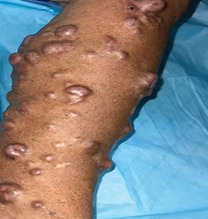
Diagnosing this disease is particularly difficult because the fungus cannot be cultured in the laboratory. Diagnosis therefore relies on direct visualization of fungal structures in tissue samples and on molecular biology techniques, which limits its detection in many areas.
If you would like to read the case article, here is the URL: https://wwwnc.cdc.gov/eid/article/29/12/23-1092_article