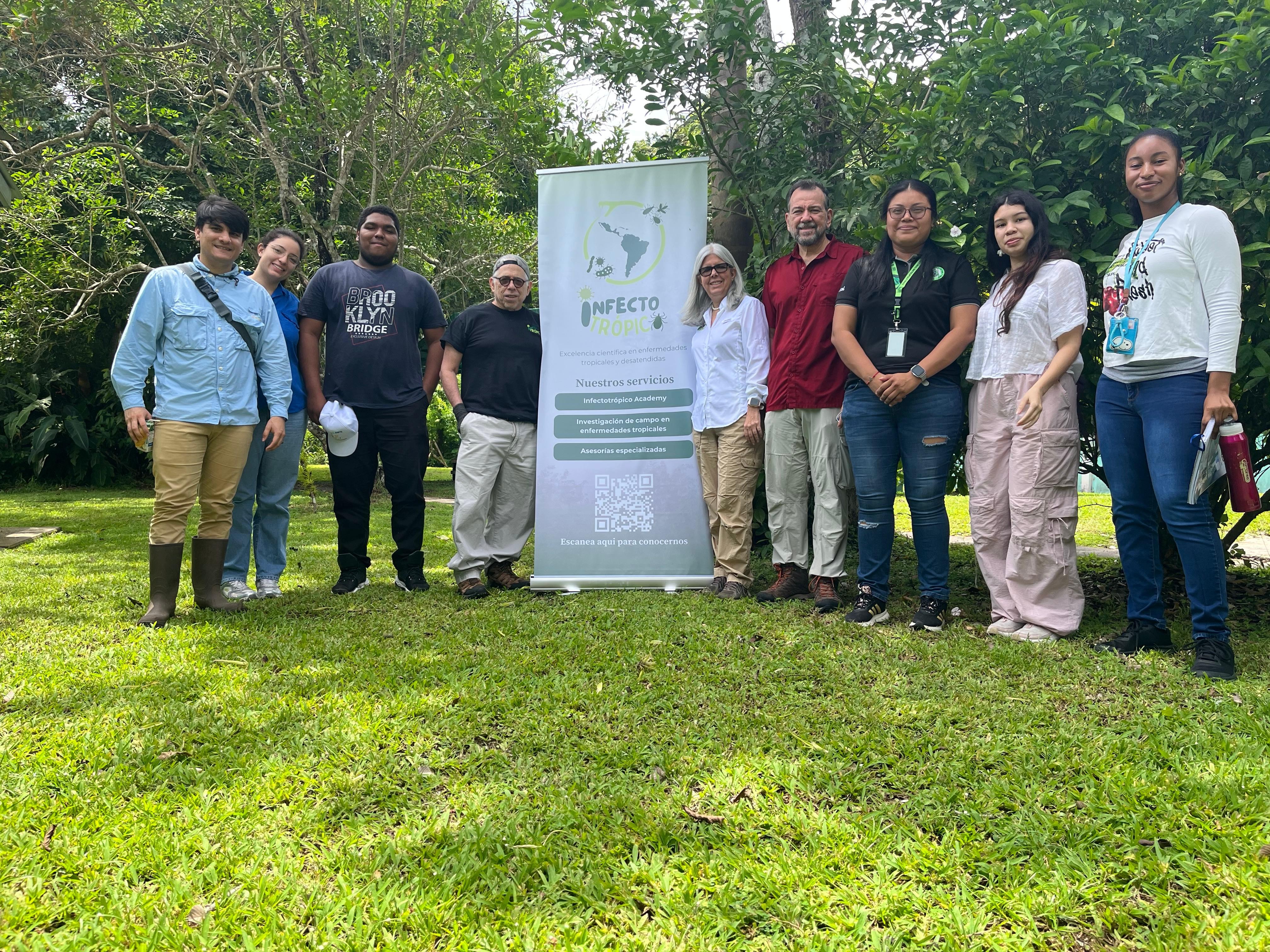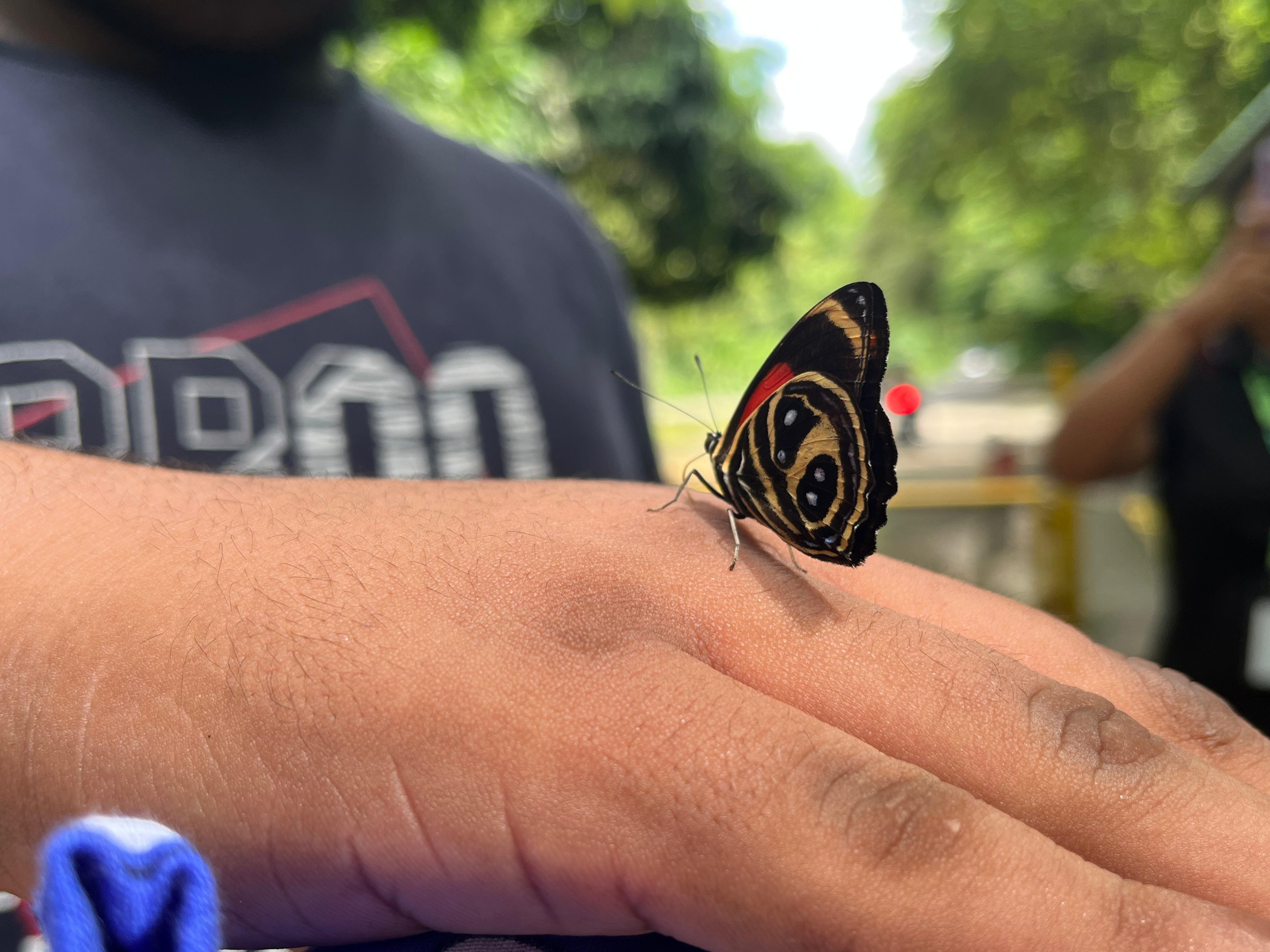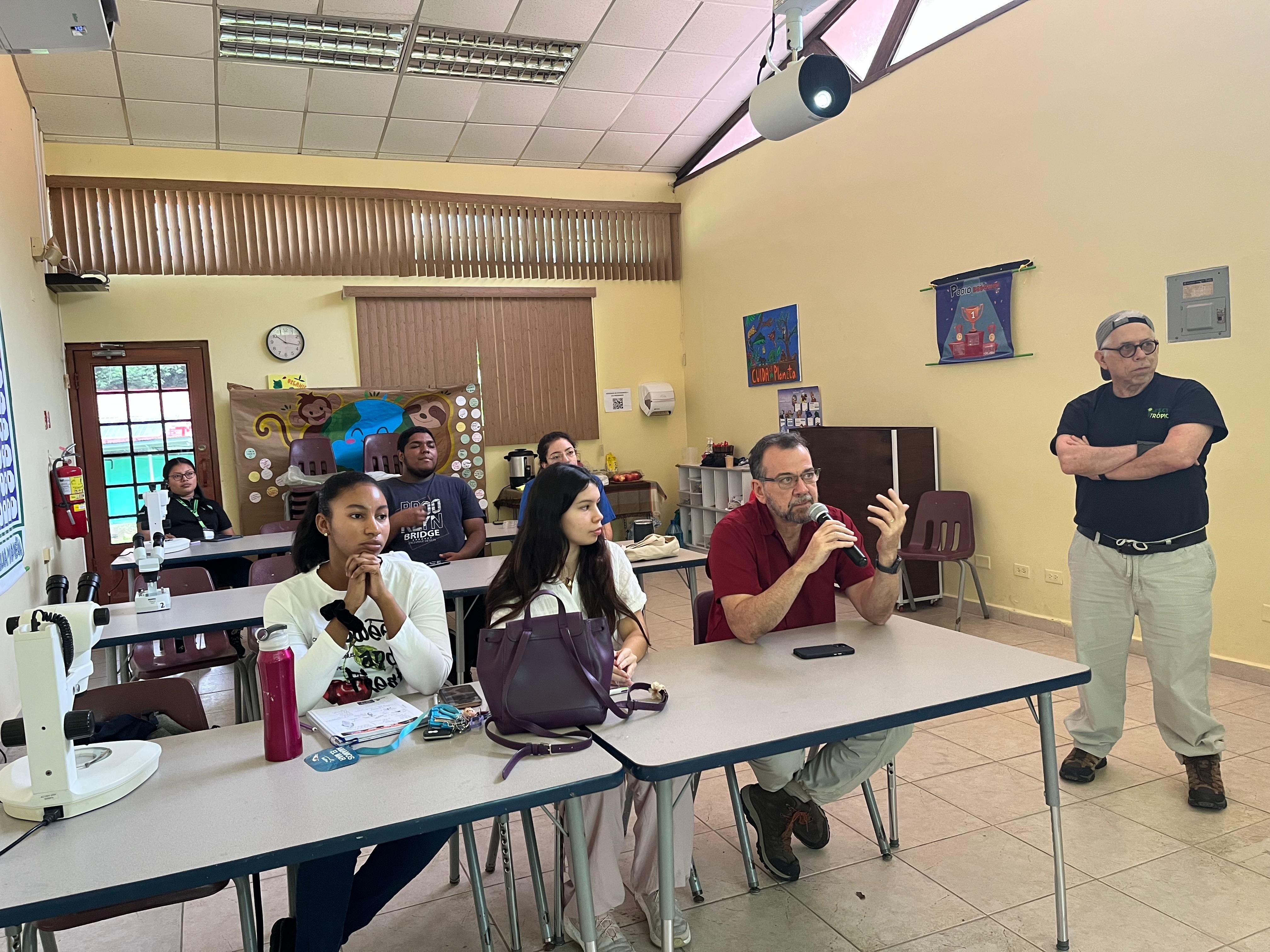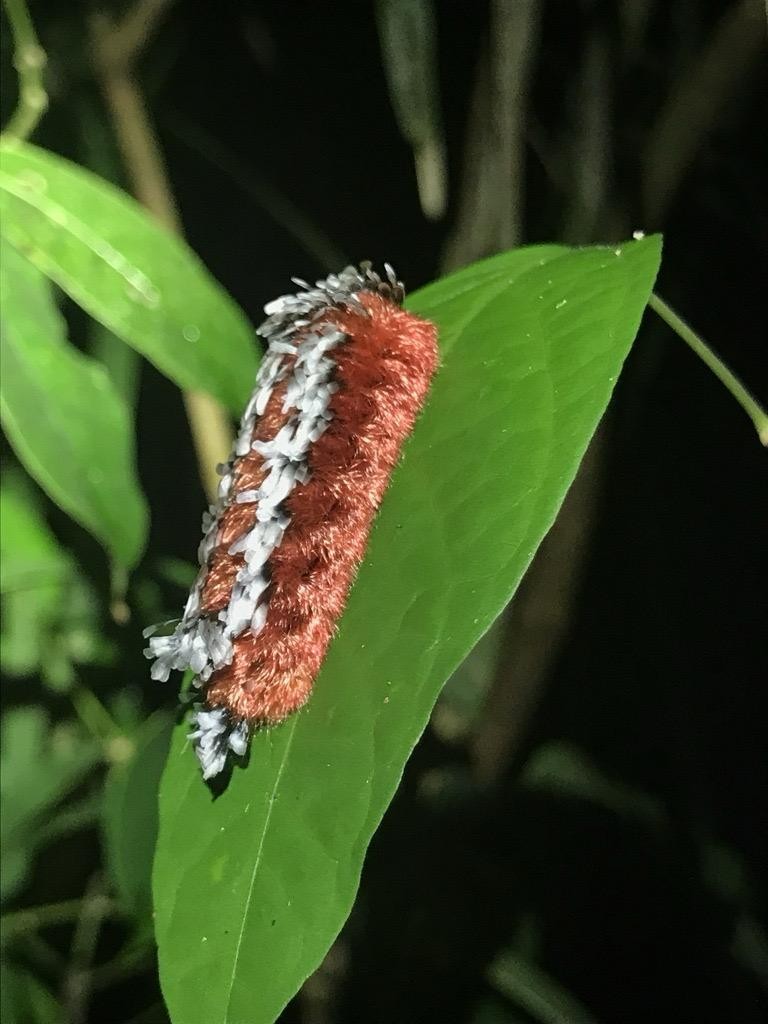
Some caterpillar species can cause adverse effects on human health, ranging from mild irritation to serious complications. With climate change, their presence and distribution are shifting, posing a growing risk in both natural and urban environments.
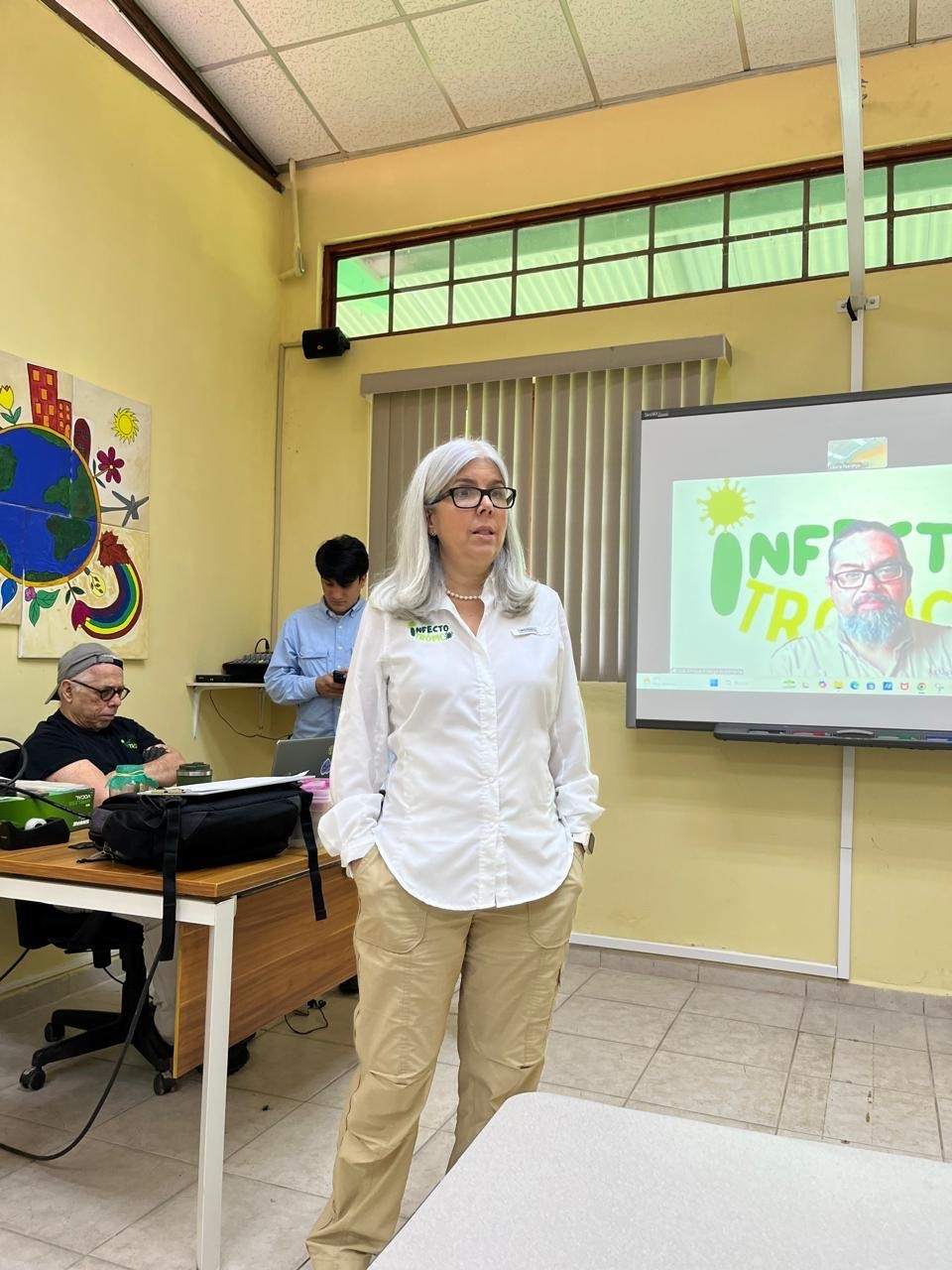
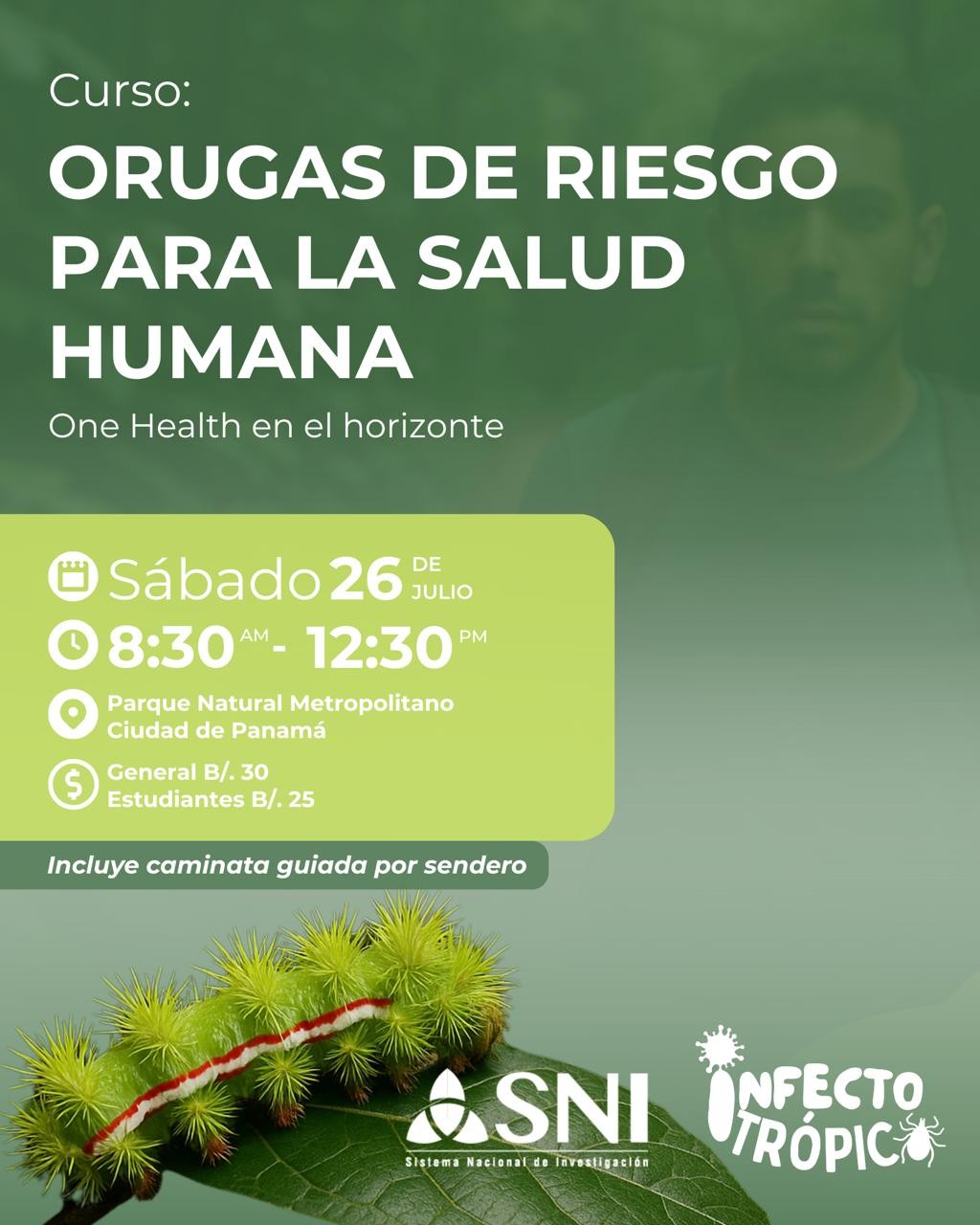
This course combined theory and practice to address the topic from a One Health approach, integrating biological, clinical, and preventive aspects. Through sessions with experts and a field trip to the Metropolitan Natural Park (Parque Natural Metropolitano), we learned to identify hazardous caterpillars, understand their impact on health, and apply effective preventive measures.
Venue: Parque Natural Metropolitano, Juan Pablo II, Panama City
Time: 8:30 am - 12:30 pm
📜 Academic Program
-Biological aspects of caterpillars
Lic. José Enrique Piñango (International Guest)
Biologist and entomologist - Africam Safari, Puebla, Mexico
-Impact of climate change on the caterpillar life cycle
Dr. Laura Naranjo
Infectious diseases and tropical medicine physician - Researcher - Infectotrópico
-Clinical and toxicological importance of caterpillars
Dr. José Antonio Suárez
Infectious diseases and tropical medicine physician - Researcher - Infectotrópico
-Preventive measures when sighting caterpillars hazardous to humans
Dr. Wilyerson Quintero
Junior research physician - Infectotrópico-CIIMED
-Field trip to observe and recognize caterpillars